How The Rolling Stones’ Exile on Main Street Earned Its Rep
1971: The Year Music Changed Everything brings The Rolling Stones in from Exile for the story of their iconic work.By Tony Sokol|
May 21, 2021
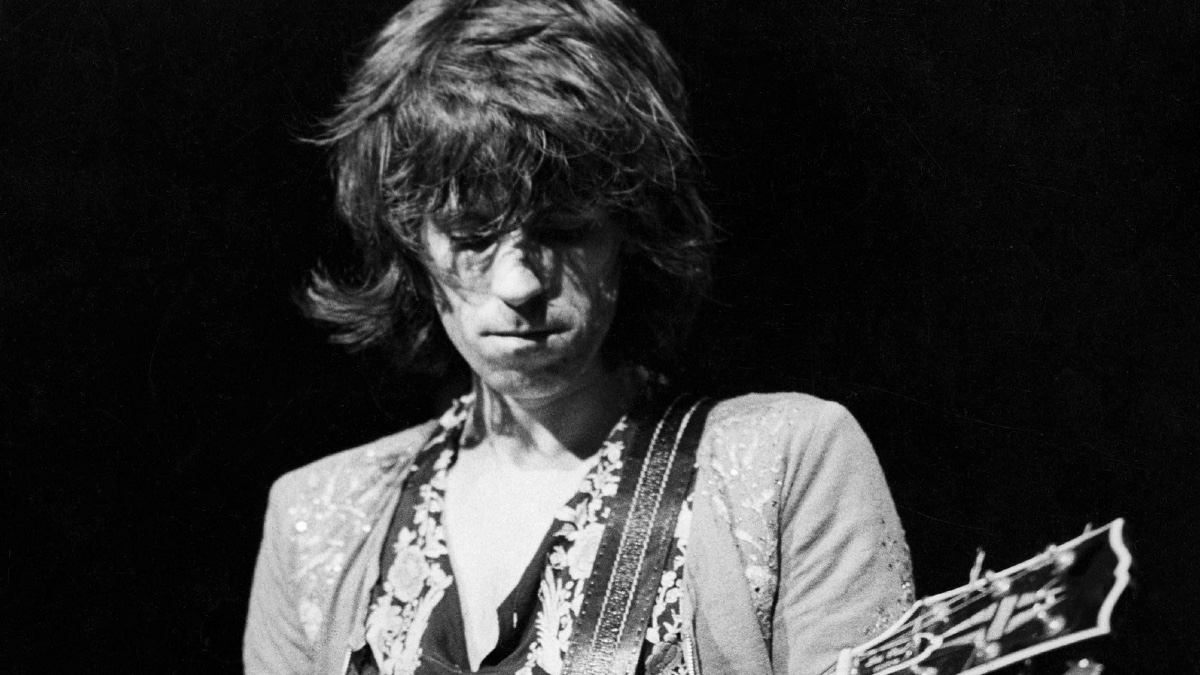
Apple TV+’s docuseries 1971: The Year That Music Changed Everything makes it seem like The Rolling Stones’ Exile On Main Street album was more fun to record than listen to, and that sets a high standard. The record distills the band’s sounds, from acoustic world music political ballads, through deep heartfelt blues, to honky tonk so funky you have to shake your ass. The group plays country, Southern blues, R&B, and the almost-punk-before-punk “Rip This Joint.” “Tumbling Dice,” is a radio staple. Keith Richards even took the lead vocals on a track to keep you happy. There was so much material, it came out as a double album. What could be more fun than that?
Richards’ Nellcôte mansion, on the Côte d’Azur in the South of France, was the hardest rocking musical getaway paradise in 1971. It was a Rock and Roll Main Street, and even the most mainstream players mainlined the exile vibe. Guitar god Eric Clapton and underground country legend Gram Parsons mixed drinks and drugs with movie stars like James Caan and Faye Dunaway, while playwright Terry Southern stopped taking note, according to Robert Greenfield’s book Exile on Main Street: A Season In Hell With The Rolling Stones.
William S. Burroughs inspired Mick Jagger to cut and paste a word collage together to form the lyrics to “Casino Boogie.” Paul McCartney and Ringo Starr dropped by the almost-week-long afterparty for Jagger’s wedding to Nicaraguan-born model Bianca Pérez Morena de Macias in Saint-Tropez. John Lennon, who was on methadone treatment, reputedly threw up at the foot of the grand staircase and passed out in it.
“The sunshine bores the daylights out of me,” Jagger sings on “Rocks Off,” the album’s opening song. The Rolling Stones strolled through their recent past darkly. The murder of Meredith Hunter at the Altamont speedway concert in late 1969 signaled, to many, the death of decade’s peace-and-love counterculture. But the band’s troubles went all the way back to the Redlands drug bust of 1967, and the death of Brian Jones. Adversity worked well, creatively, for the Stones, and they continued to pump out classics like “Gimme Shelter” in 1969, and controversy like “Brown Sugar” in 1971. Sticky Fingers, their ninth album, hung nicely at the top of the charts on both sides of the Atlantic.
https://www.denofgeek.com/culture/rolling-stones-exile-on-main-street-apple-docu...



 Pages: 1


 How The Rolling Stones’ Exile on Main Street Earned Its Rep (Read 417 times)


